
Learn Before You Borrow. Make Smarter Financial Decisions.
Expert Loan Guides • CIBIL Score Tips • EMI Calculators • Financial Education
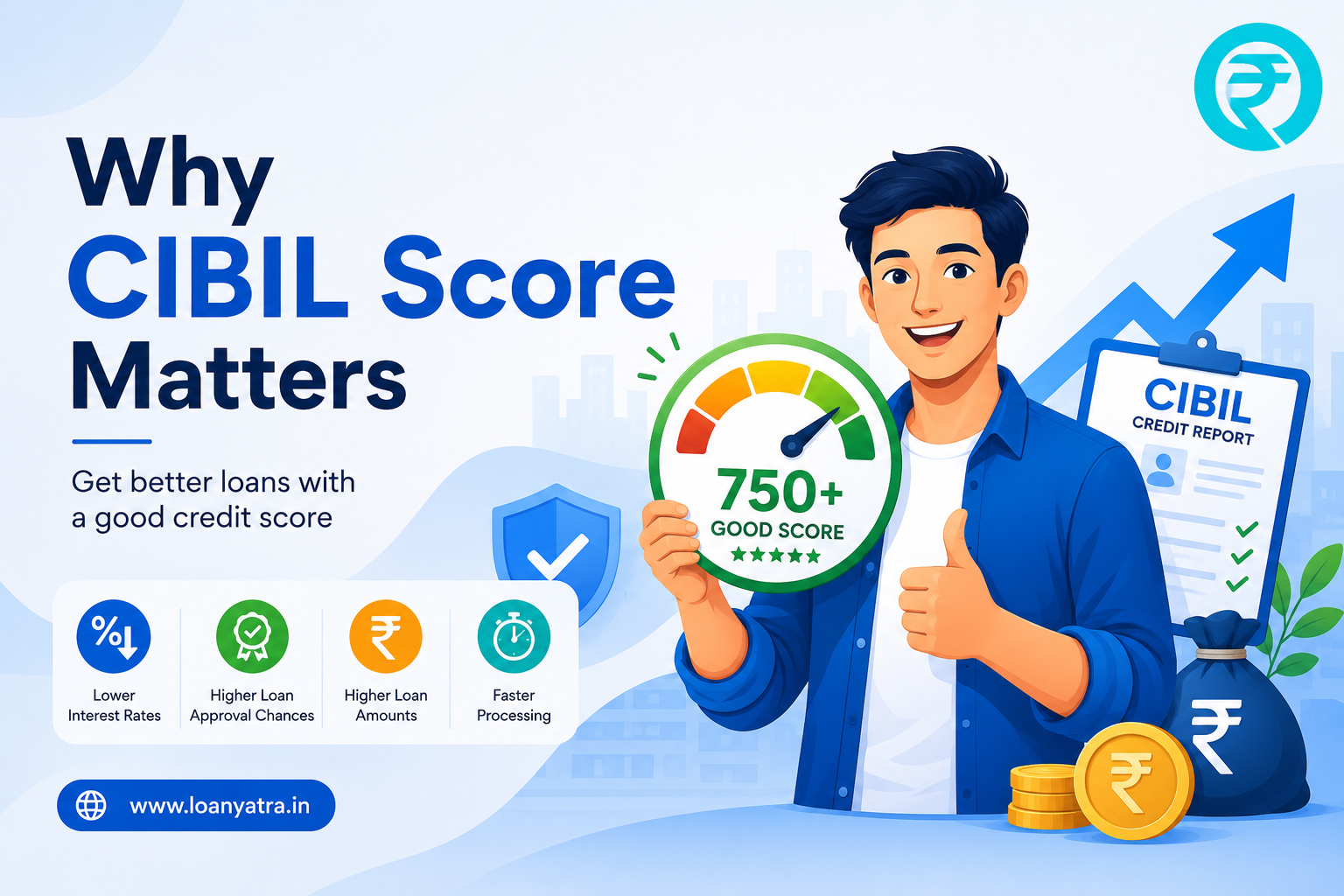
Learn everything about CIBIL Score, how it affects your loan approval, ways to improve your score and common mistakes to avoid.
Read Full Guide →CIBIL score is a 3-digit number that shows your credit health. It helps banks and lenders understand how safely you can repay loans.
A good CIBIL score increases your chances of loan approval, better interest rates, and faster processing.
Your score depends on payment history, credit card usage, total loans, credit inquiries, and repayment discipline.
A strong CIBIL score takes time to build, but with regular good financial habits, you can improve it steadily.
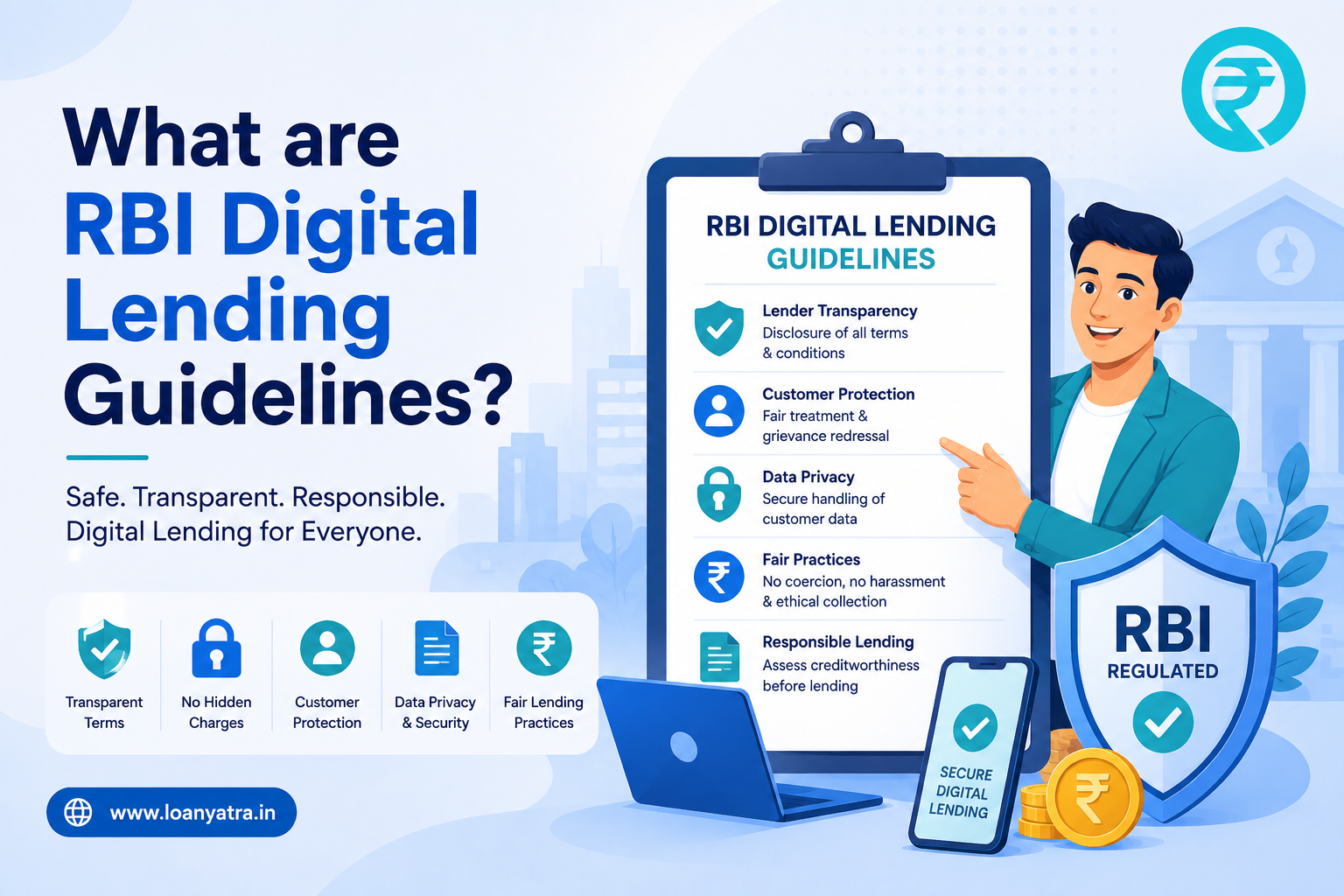
Learn how RBI digital lending guidelines protect borrowers, improve transparency, and make online loans safer and more trustworthy.
Read Full Guide →RBI digital lending guidelines are rules that make online borrowing safer, more transparent, and easier to understand for customers.
These rules help borrowers know who is giving the loan, how much they will pay, and what charges are involved before taking any digital loan. RBI has official FAQs on digital lending for public guidance.
If you borrow online, always prefer trusted lenders and read the terms first. RBI rules are meant to improve borrower safety and lending transparency.
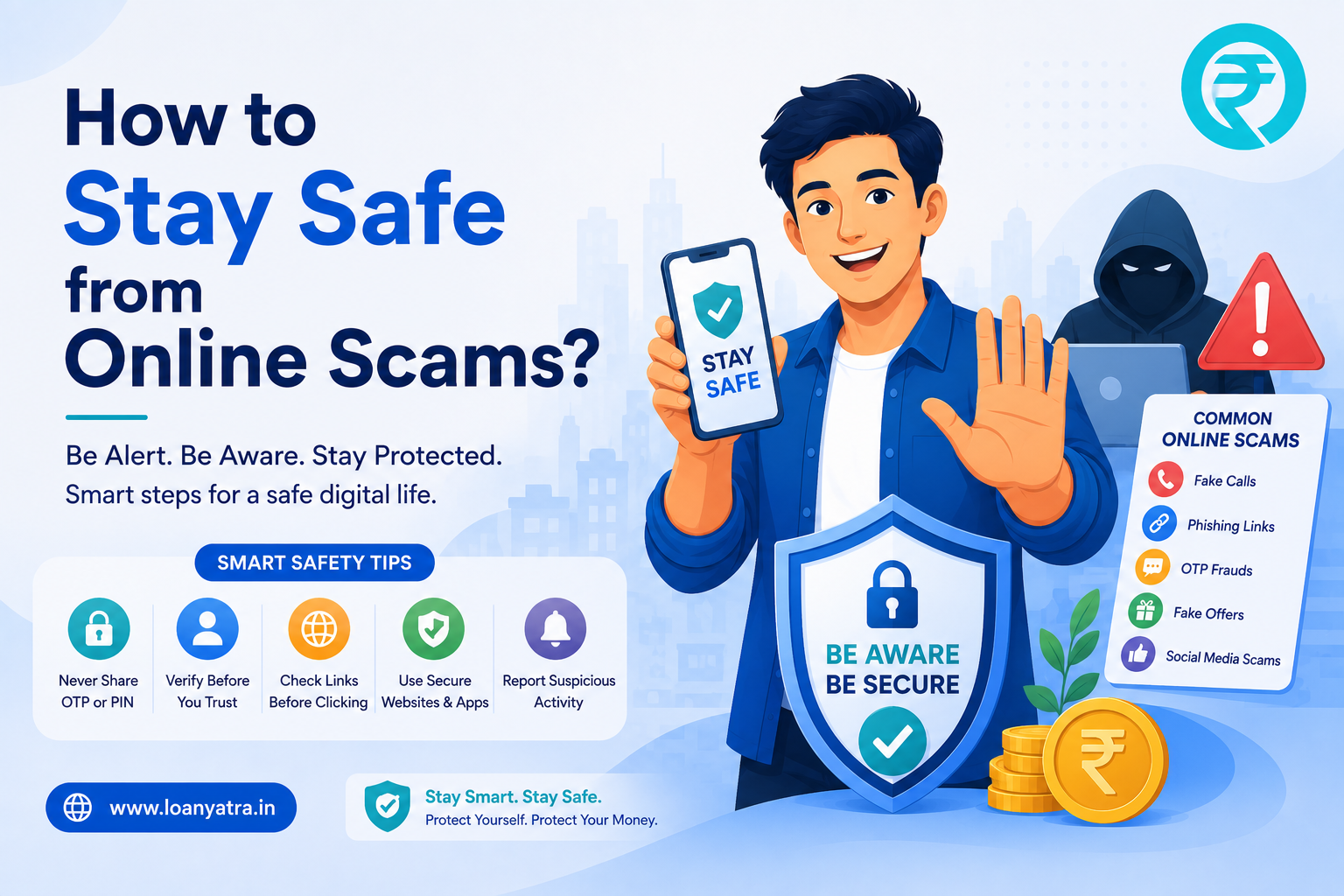
Learn how to protect yourself from fake links, phishing calls, OTP fraud, UPI scams, and unsafe online payment traps.
Read Full Guide →Online scams are becoming more common, and fraudsters use fake calls, messages, links, and payment requests to trick people.
Fraudsters often send fake KYC update links, unknown QR codes, fake bank messages, and calls asking for OTP, PIN, or card details.
The safest habit is to pause before clicking, paying, or sharing details.
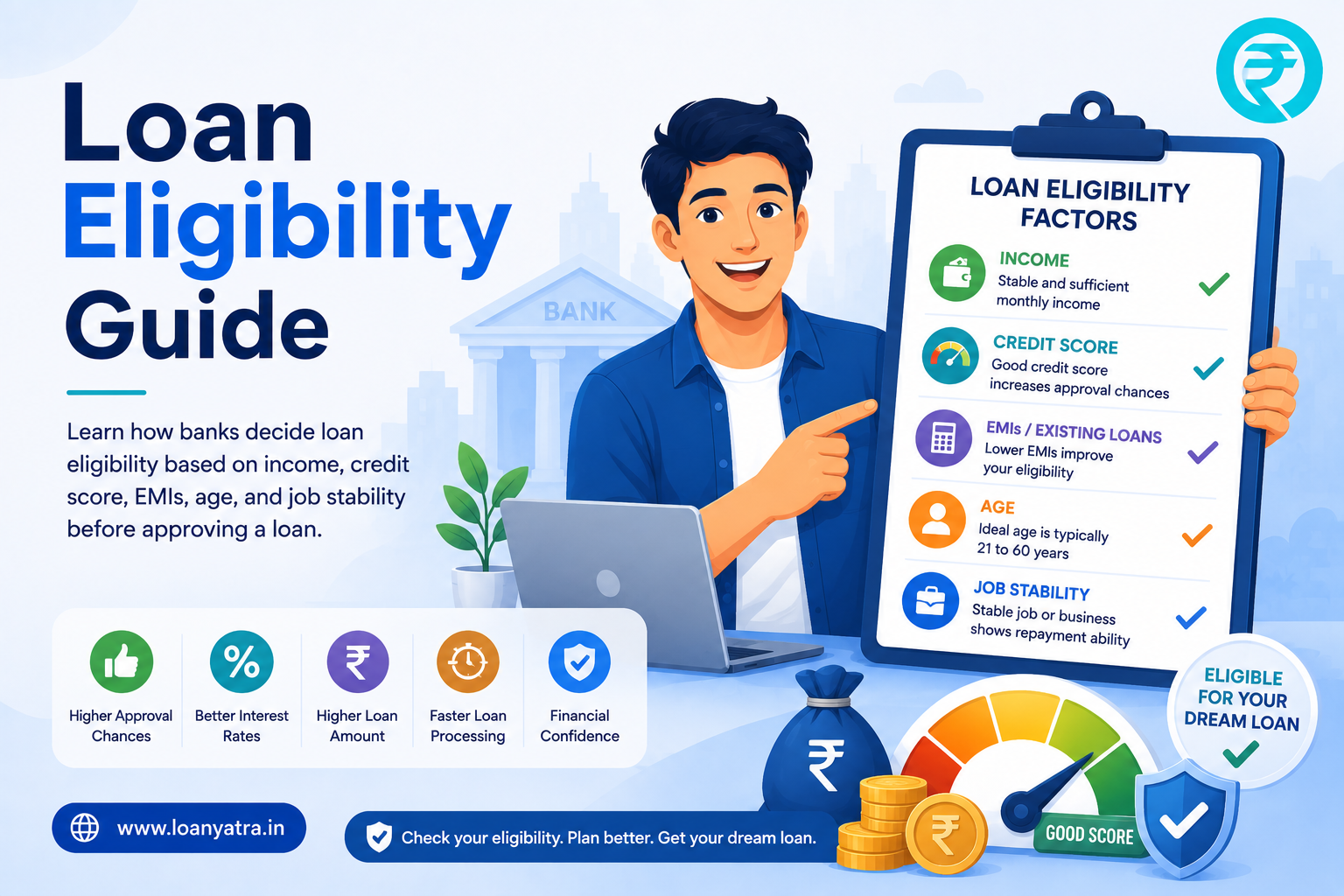
Learn how banks decide loan eligibility based on income, credit score, EMIs, age, and job stability before approving a loan.
Read Full Guide →Loan eligibility shows whether you are qualified to get a loan from a bank or NBFC. Lenders check your repayment ability before giving you money.
Higher and stable income usually increases loan eligibility because it shows that you can repay the EMI on time.
A good credit score improves approval chances and can help you get better loan terms. Poor credit history may reduce eligibility or lead to rejection.
Before applying for a loan, check your eligibility first so you can improve your chances of approval and avoid rejection.
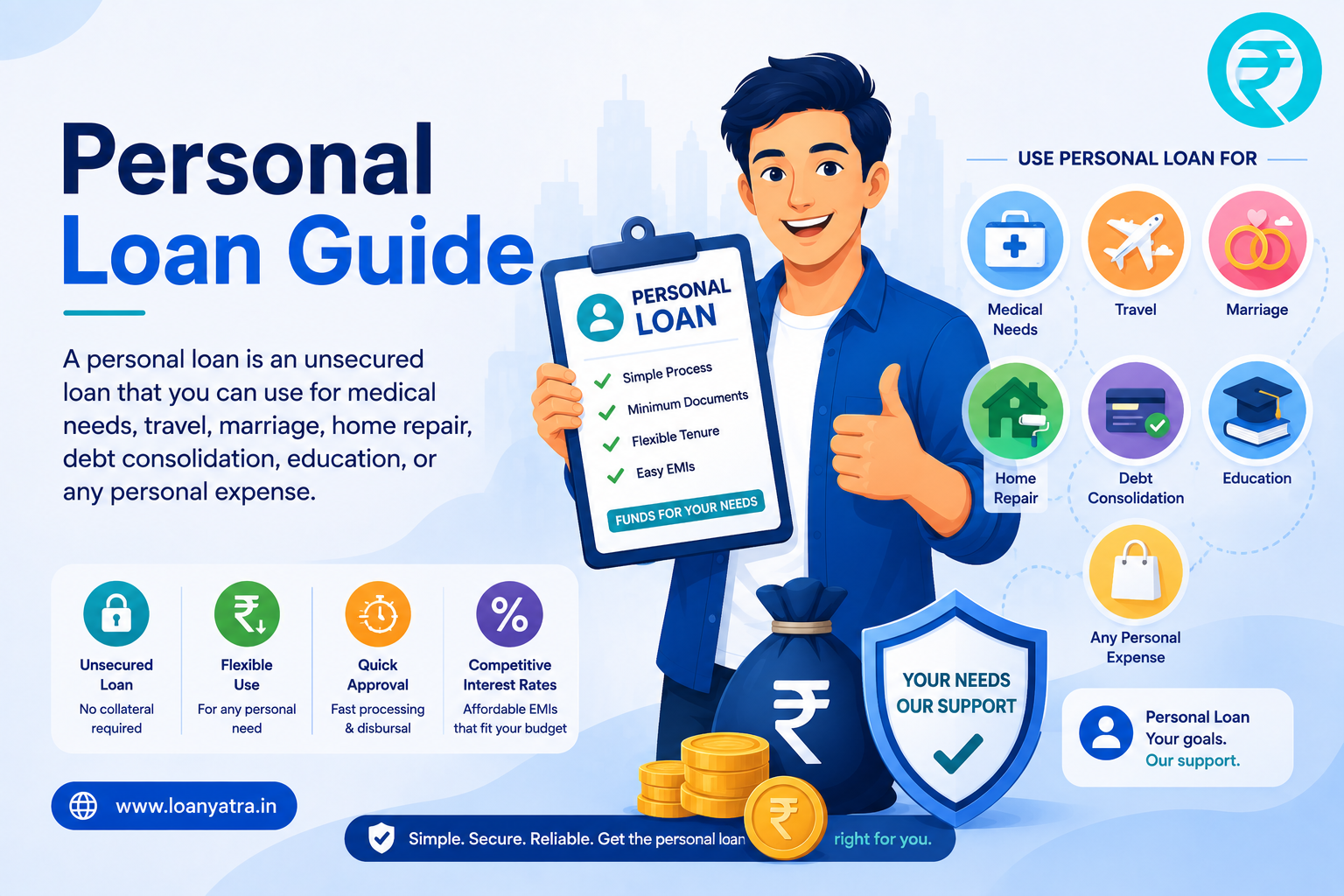
Learn everything about personal loan eligibility, documents, interest rates, application process, approval steps, and repayment.
Read Full Guide →A personal loan is an unsecured loan that you can use for medical needs, travel, marriage, home repair, debt consolidation, education, or any personal expense.
Banks and NBFCs usually check age, monthly income, CIBIL score, job stability, existing EMIs, and repayment capacity before approving a personal loan.
Interest rate depends on your profile, income, credit score, lender policy, and loan tenure. A longer tenure usually reduces EMI but may increase total interest cost.
Personal loans are useful when used wisely, but always borrow only what you can comfortably repay.
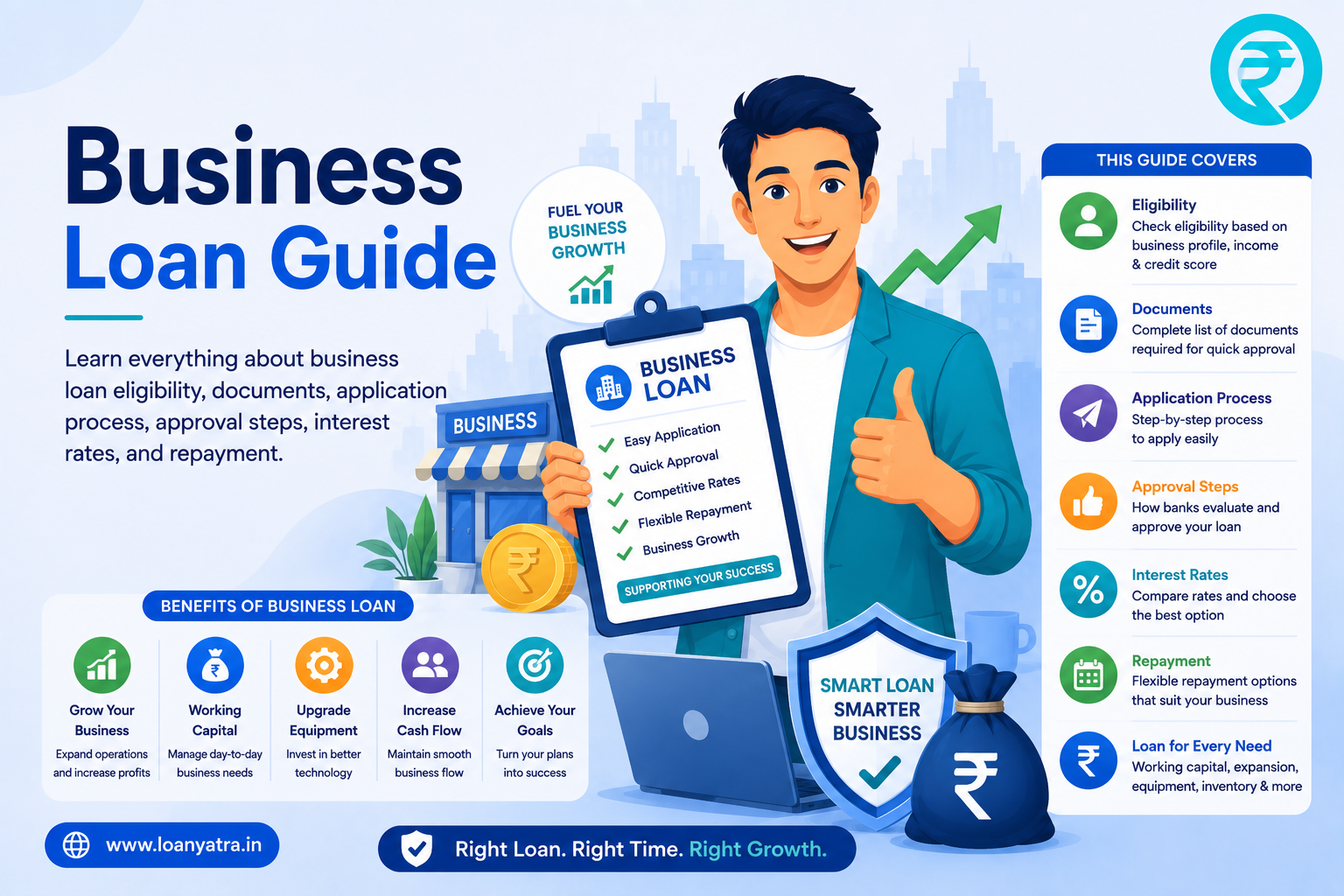
Learn everything about business loan eligibility, documents, application process, approval steps, interest rates, and repayment.
Read Full Guide →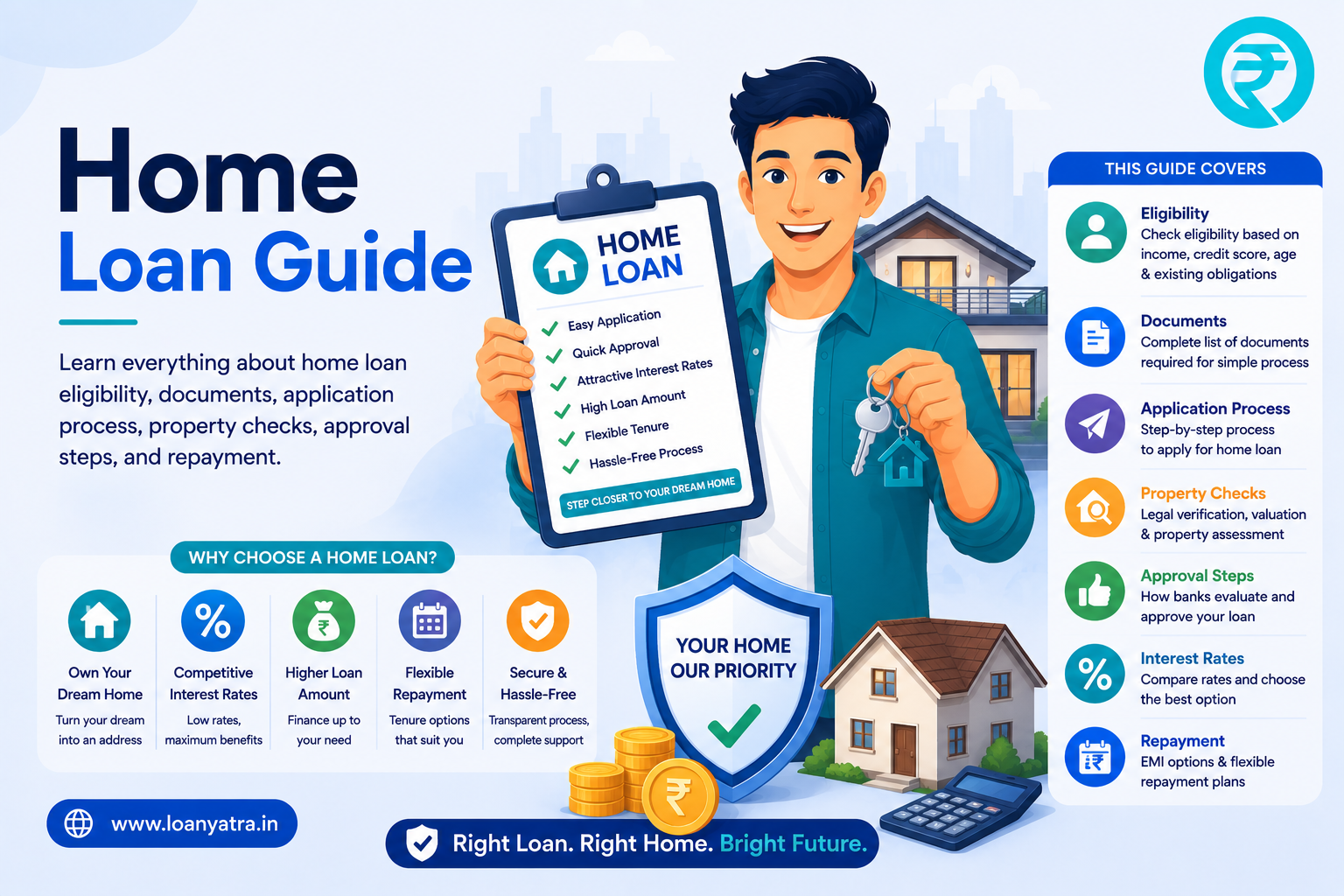
Learn everything about home loan eligibility, documents, application process, property checks, approval steps, and repayment.
Read Full Guide →